
Learning to write their own name is an exciting milestone for preschoolers. It gives young children a sense of independence and helps them feel proud of their growing skills. However, writing letters can feel challenging at first, especially when children are still developing hand strength, pencil control, and letter recognition.
The best way to make learning enjoyable is to turn it into a playful activity rather than a daily task that feels like homework. Simple games, tracing sheets, colorful markers, and hands-on activities can help children become more comfortable with writing.
This guide shares practical name-writing activities, creative worksheets, tracing exercises, and easy learning techniques for preschoolers. Parents, teachers, and caregivers can use these ideas at home or in the classroom to help little learners recognize, trace, and eventually write their names independently.
Why Learning to Write Their Name Matters
Writing a name is often one of the first meaningful writing experiences for a young child. Unlike practicing random letters, children have a personal reason to learn the letters in their names.
This makes the activity interesting and gives them something familiar to recognize and practice.
Here are some important benefits of early name-writing activities:
- Builds letter recognition: Children become familiar with the letters in their names and begin to recognize them in books, signs, and other words.
- Improves fine motor skills: Holding crayons, pencils, and markers helps develop the small hand muscles needed for writing.
- Encourages independence: Children can begin identifying their belongings, labeling their artwork, and signing their work.
- Develops pencil control: Tracing and copying letters help children practice controlled movements.
- Supports early literacy: Recognizing and writing letters creates a foundation for future reading and writing activities.
- Builds confidence: Seeing their own progress can make children excited about learning new skills.
Every child develops at a different pace. Some preschoolers may recognize all the letters in their names before they can write them. Others may need more time to control a pencil. Both experiences are normal.
Easy Name Writing Practice for Preschoolers
Simple exercises are a great starting point for children who are just beginning to learn how to write their names. These activities require basic supplies and can easily become part of a daily routine.
Here are some beginner-friendly ideas:
- Follow the Dotted Letters: Write the child’s name using large dotted letters and ask them to connect the dots with a pencil or crayon.
- Copy From a Name Card: Place a name card in front of the child and encourage them to copy the letters underneath.
- Write With Crayons: Give children thick crayons so they can practice making large letters without worrying about perfect handwriting.
- Trace on a Whiteboard: Write their name on a whiteboard and let them trace over it with a dry-erase marker.
- Use a Finger to Trace: Ask children to follow each letter with their index finger before using a writing tool.
- Practice One Letter at a Time: Focus on the first letter of the child’s name before introducing the remaining letters.
- Copy on Lined Paper: Provide wide-lined paper to help children understand where letters should sit.
- Write With Colored Pencils: Let children choose different colors for each letter.
- Complete Missing Letters: Write the name with one or two missing letters and ask the child to fill in the blanks.
- Practice on a Chalkboard: Use sidewalk chalk or classroom chalk for large and enjoyable writing movements.
- Make a Name Bookmark: Help children write their names on a bookmark they can use during storytime.
- Use a Reusable Name Sheet: Place a printed name worksheet inside a plastic sleeve so children can practice with dry-erase markers.
Start with short sessions. A few minutes of enjoyable practice can be more helpful than making a child complete a long worksheet.
Fun Tracing Activities for Little Learners
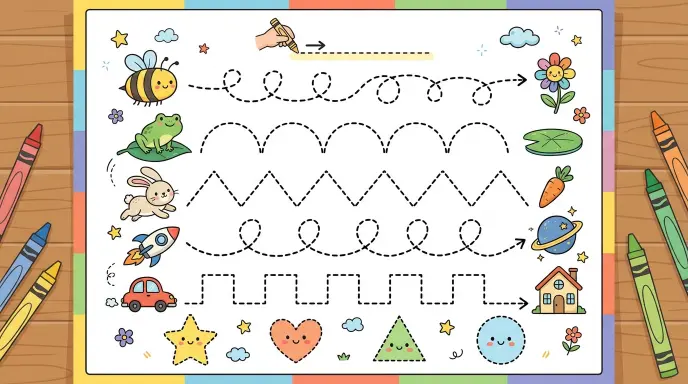
Tracing is an excellent way to introduce preschoolers to the shapes and movements involved in writing letters. It gives children a visual guide while allowing them to practice pencil control.
The following activities can make tracing more interesting:
- Rainbow Name Tracing: Write each letter in a large outline and let children trace it with several different colors.
- Dot Marker Letters: Create large dotted letters and let children use dot markers to follow their shapes.
- Glitter Letter Tracing: Use glitter glue to create raised letters that children can follow with their fingers.
- Sandpaper Name Cards: Make textured letters using sandpaper so children can feel their shapes.
- Puffy Paint Names: Create raised letters with puffy paint and let them trace the shapes after they dry.
- Water Brush Writing: Write names on a chalkboard and let children trace the letters with a wet paintbrush.
- Road Letter Tracing: Draw letters like roads and let children move a small toy car along each shape.
- Shaving Cream Practice: Spread a small amount of child-safe shaving cream on a tray and let children trace letters with their fingers. Supervise closely and avoid use around children who may put it in their mouths.
- Salt Tray Writing: Pour a thin layer of salt into a shallow tray and let children draw the letters of their names.
- Reusable Laminated Sheets: Laminate name-writing worksheets for repeated tracing practice.
- Sticker Path Tracing: Place small stickers along the outline of each letter and encourage children to follow the path.
- Chalk Line Tracing: Draw large letters outside and let children trace them with colorful chalk.
These activities help children explore letters through touch, movement, and sight. They also make repeated practice feel less like a formal lesson.
Creative Name Writing Worksheets for Preschoolers
Worksheets can provide helpful structure when children are ready to practice specific letters. A good worksheet should be easy to understand, have enough writing space, and use clear letter shapes.
Here are some worksheet ideas that parents and teachers can prepare:
- Trace and Write Worksheet: Include a printed name at the top and blank lines underneath for independent practice.
- Uppercase Letter Sheet: Focus on uppercase letters in the child’s name.
- Lowercase Letter Practice: Help children recognize and copy lowercase letters.
- First Letter Worksheet: Make a page that focuses on the first letter of their name.
- Missing Letter Activity: Remove selected letters and ask children to complete the name.
- Color the Letters: Print large outlined letters and let children color each one.
- Letter Matching Sheet: Ask children to match the letters in their names with identical letters on the page.
- Cut and Paste Worksheet: Provide separate letter cards that children can arrange in the correct order.
- Name Puzzle Page: Mix up the letters and encourage children to put them in the right sequence.
- Rainbow Writing Sheet: Provide several writing lines so children can write their names in different colors.
- Count the Letters Page: Ask children to count how many letters are in their names.
- Find Your Name Activity: Show several simple name cards and ask children to circle their own name.
A worksheet should support learning, not create pressure. If a child becomes frustrated, switch to a drawing or movement activity and return to writing later.
Playful Games That Make Writing More Enjoyable
Preschoolers often learn best when they can move, explore, and play. Turning letter practice into a game can help children stay interested and participate willingly.
Try these enjoyable classroom or home activities:
- Name Letter Hunt: Hide letter cards around the room and ask children to find the letters in their names.
- Build a Name Tower: Write individual letters on building blocks and let children stack them in the correct order.
- Magnetic Letter Match: Place magnetic letters on a board and ask children to arrange their names.
- Name Bingo: Create simple bingo cards with familiar letters and let children identify the letters in their names.
- Letter Fishing: Put paper letters in a container and let children pick out the ones they need.
- Name Puzzle Race: Mix up letter cards and encourage children to arrange them correctly at their own pace.
- Jump on the Letters: Place large letter cards on the floor and ask children to step on the letters of their names in order.
- Play Dough Letters: Roll play dough into long pieces and shape them into the letters of their names.
- Letter Sorting: Mix uppercase and lowercase letter cards and ask children to find matching pairs.
- Name Train: Make a paper train with one letter in each carriage and arrange the cars to spell the child’s name.
- Letter Treasure Box: Fill a box with letter cards and let children search for their name’s letters.
- Name Memory Game: Create matching letter cards and encourage children to find the pairs.
These games can be adapted for one child or a small preschool group. They also help children recognize that letters appear in many places beyond worksheets.
Fine Motor Activities Before Pencil Writing
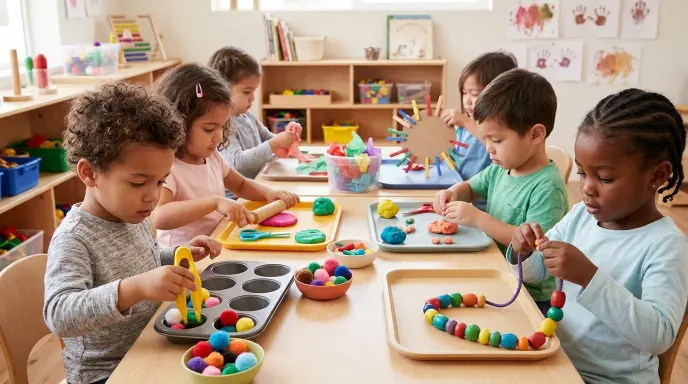
Some preschoolers may understand which letters they need to write but struggle to control a pencil. This is often because their hand muscles and coordination are still developing.
Fine motor activities can help children prepare for writing without requiring them to hold a pencil all the time.
Here are some useful exercises:
- Play Dough Squeezing: Encourage children to squeeze, roll, and flatten play dough.
- Pom-Pom Transfers: Use child-safe tweezers to move pom-poms between containers under adult supervision.
- Sticker Peeling: Let children peel small stickers and place them on a paper name outline.
- Clothespin Games: Attach clothespins to a cardboard card to strengthen finger movements.
- Paper Tearing: Let children tear colorful paper into small pieces for an art project.
- Bead Threading: Use large, age-appropriate beads and strings with adult supervision.
- Scissor Practice: Provide child-safe scissors and simple paper strips for supervised cutting.
- Finger Painting: Let children make lines, curves, and shapes using washable paint.
- Sponge Squeezing: Give children a sponge and water so they can squeeze it into a container.
- Button Sorting: Ask children to sort large buttons by shape or color while supervised.
- Play Dough Rolling: Help children roll long dough pieces that can later become letters.
- Lacing Cards: Encourage children to move a lace through large holes in a cardboard card.
These activities strengthen coordination and hand control. They are useful additions to a preschool learning routine, especially for children who are not ready for extended pencil practice.
Creative Ways to Practice the First Letter of a Name
The first letter of a child’s name is a natural place to begin. It gives children one familiar symbol to recognize and practice before they move on to the full name.
Here are some creative ways to introduce that first letter:
- Letter Collage: Cut out pictures from magazines and arrange them around the first letter.
- Alphabet Art: Draw a large outline of the letter and let children decorate it with crayons.
- Paint the First Letter: Use a paintbrush to fill in a large letter.
- Letter Stamping: Use alphabet stamps to print the first letter on paper.
- Texture Letter Board: Decorate a cardboard letter with soft fabric, felt, or other safe materials.
- Nature Letter: Use leaves and small twigs to form the letter with adult supervision.
- First Letter Crown: Create a paper crown featuring the child’s initial.
- Letter Matching Cards: Match the first letter with other examples of the same letter.
- Play Dough Initial: Shape the first letter using colorful play dough.
- Letter Coloring Page: Provide a large outline for coloring and decorating.
- Initial Treasure Hunt: Search for objects or labels that begin with the same letter.
- Letter Sticker Art: Decorate the letter with colorful stickers.
Once children recognize and feel comfortable making their first letter, introduce the next letter gradually.
Sensory Writing Activities for Preschool Classrooms
Sensory activities allow children to explore letters using different textures and materials. These experiences can make letter shapes easier to remember and give children more ways to participate.
Here are some simple classroom ideas:
- Rice Writing Tray: Spread dry rice in a shallow tray and let children draw letters with their fingers.
- Flour Letter Practice: Use a thin layer of flour on a tray for finger-writing activities. Keep it away from faces and supervise closely.
- Water and Paintbrush: Let children write their names on a chalkboard using a wet brush.
- Finger Paint Letters: Create large letter outlines for children to fill with washable paint.
- Textured Letter Cards: Use felt, foam, or fabric to create touchable letters.
- Bubble Wrap Writing: Trace large letter outlines on paper placed over bubble wrap.
- Scent-Free Sensory Dough: Shape homemade or store-bought dough into name letters.
- Shallow Sand Tray: Let children practice letter movements in clean play sand.
- Foam Letter Matching: Use foam alphabet pieces to build a name.
- Water Bead Alternatives: Use large, safe sensory objects or textured balls for sorting activities instead of small water beads, which can be dangerous if swallowed.
- Finger Path Boards: Create raised letter paths that children can follow with their fingers.
- Textured Paper Collage: Decorate printed letters with different paper textures.
Always choose materials that are appropriate for the child’s age. Avoid small objects that may create choking risks, and supervise sensory play throughout the activity.
Name Writing Activities for Preschool at Home
Parents do not need expensive learning materials to help children practice writing. Everyday objects can become useful teaching tools.
Here are some easy activities to try at home:
- Morning Name Card: Place a name card near the child’s breakfast area and encourage them to recognize it.
- Sign Their Artwork: Ask children to add their names to drawings and paintings.
- Personalized Notebook: Give each child a small notebook for drawing and practicing letters.
- Mirror Letter Practice: Let children look at their reflection and say the letters of their names aloud.
- Name on a Lunch Bag: Write the child’s name on a lunch bag and encourage them to trace it.
- Bedroom Door Sign: Help children create a personalized sign for their bedroom.
- Toy Labeling: Make simple labels for toy boxes and ask children to find their names.
- Family Name Cards: Create cards for family members and let children compare the different names.
- Grocery Letter Hunt: Look for familiar letters on food packages while shopping.
- Bath-Time Letter Play: Use washable bath crayons on a suitable surface to practice large letters.
- Name on a Gift Tag: Let children write their names on homemade gift tags.
- Weekly Name Challenge: Give children a new creative way to practice their names each week.
Try to include writing in activities that already interest your child. This makes learning feel natural and gives them a reason to use their new skills.
Common Mistakes to Avoid During Early Writing Practice
Teaching a preschooler to write can take patience. Sometimes, adults expect children to write neatly before they have developed the skills needed to do so.
Avoiding a few common mistakes can make practice more comfortable.
- Expecting perfect handwriting: Young children are still learning how letters work. Uneven shapes and reversed letters can happen during early practice.
- Using worksheets for too long: Long sessions may cause boredom and frustration. Offer short activities with breaks.
- Forcing the correct pencil grip: Encourage a comfortable, functional grip instead of constantly correcting the child’s fingers.
- Comparing children: Each child develops at a different pace. Focus on individual progress.
- Starting with very small letters: Large letters are often easier for beginners to explore and form.
- Ignoring letter recognition: Help children identify and name letters before expecting them to write the full name independently.
- Correcting every mistake: Give gentle guidance and praise effort rather than focusing only on errors.
- Making practice feel like homework: Use games, drawing, and sensory activities to keep children interested.
A relaxed learning environment helps children feel comfortable trying new things. Celebrate small improvements, even if a letter does not look perfect yet.
How to Help Preschoolers Progress From Tracing to Independent Writing
Moving from tracing to independent writing is a gradual process. Children first need to recognize letters, understand their shapes, and practice the movements needed to form them.
A simple learning progression can make this process easier.
Step 1: Recognize the Name
Begin by showing the child’s name on cards, books, and personal belongings. Say the name aloud and point to each letter.
Step 2: Identify Individual Letters
Help children recognize the letters in their names. Start with the first letter and gradually introduce the others.
Step 3: Practice Letter Shapes
Use finger tracing, play dough, and large letter outlines to explore how each letter is formed.
Step 4: Trace the Complete Name
Provide dotted letters or a lightly printed name for children to follow.
Step 5: Copy From a Model
Place a completed name above a blank line and encourage children to copy it independently.
Step 6: Try Writing Without a Guide
Once children feel comfortable, invite them to write their names without tracing. Do not worry if the letters are uneven.
Step 7: Celebrate Progress
Display their writing samples and let them see how their skills improve over time.
Some children move through these steps quickly, while others need more repetition. There is no need to rush the process.
Simple Weekly Practice Plan for Young Children
A short weekly plan can help parents and teachers include different learning experiences without repeating the same worksheet every day.
| Day | Activity | Learning Focus |
|---|---|---|
| Monday | Trace name with crayons | Letter shapes |
| Tuesday | Build name with magnetic letters | Letter recognition |
| Wednesday | Write in a sensory tray | Hand movements |
| Thursday | Copy name on paper | Pencil control |
| Friday | Decorate a name card | Creativity |
| Saturday | Find name letters around the house | Recognition |
| Sunday | Free drawing and name writing | Independent practice |
You can repeat this routine with different materials to keep it interesting. Adjust the activities based on the child’s attention span and comfort level.
How to Choose the Right Writing Activities for Your Preschooler
Not every activity works equally well for every child. Some children enjoy coloring and drawing, while others prefer building, sorting, or sensory games.
Choosing activities that match a child’s current abilities can make learning more enjoyable.
1. Consider Their Age and Development
Preschoolers develop writing skills at different rates. Choose activities that match their hand control, attention span, and interest.
2. Start With Familiar Letters
Use the child’s first name as a starting point. Familiar letters can make early writing activities more meaningful.
3. Choose Comfortable Materials
Thick crayons, washable markers, large paper, and easy-to-hold tools can make practice more comfortable for beginners.
4. Include Different Learning Methods
Combine tracing, coloring, letter matching, movement, and sensory play. Different activities give children more opportunities to understand letter shapes.
5. Keep Instructions Simple
Give one instruction at a time. For example, ask the child to find the first letter before asking them to write the complete name.
6. Allow Personal Choice
Let children select their favorite colors, writing tools, or activity. Having a choice can increase their interest.
7. Make Time for Practice
Include short opportunities to write throughout the week instead of expecting long practice sessions.
8. Notice Their Progress
Pay attention to improvements in letter recognition, pencil control, and confidence. Neat handwriting is not the only sign of progress.
The goal is to help children become comfortable with writing while enjoying the learning experience.
FAQs:
At What Age Should Preschoolers Start Writing Their Names?
Children can begin exploring the letters in their names during the preschool years. Some may recognize their names around age three, while others may start showing interest in writing closer to age four or five. Development varies, so focus on readiness rather than a strict age.
How Can I Teach My Child to Write Their Name?
Start by showing your child a clear name card. Help them recognize the letters, practice tracing them, and copy the name using crayons or markers. Keep activities short and enjoyable, and gradually encourage independent writing.
What Are the Best Materials for Name-Writing Practice?
Large crayons, washable markers, thick pencils, whiteboards, chalk, lined paper, play dough, and reusable tracing worksheets are useful materials. Choose supplies that are easy for small hands to hold.
Should Preschoolers Learn Uppercase or Lowercase Letters First?
Many children begin with uppercase letters because their shapes can be easier to distinguish and practice. However, children should gradually become familiar with both uppercase and lowercase letters, especially because names normally use an uppercase first letter followed by lowercase letters.
How Often Should Preschoolers Practice Writing?
Short, regular opportunities throughout the week are a good approach. A few minutes of playful practice may be enough for a young child. Adjust the time according to their interest and attention span.
What If My Preschooler Does Not Enjoy Writing?
Do not force the activity. Try different approaches, such as play dough letters, magnetic alphabets, finger painting, or letter games. You can also take a break and introduce writing again later.
How Can I Improve My Child’s Pencil Control?
Offer activities such as drawing, coloring, squeezing play dough, using stickers, and picking up small objects with child-safe tools. These activities help children practice hand and finger movements used in writing.
Is Tracing Enough to Teach a Child to Write Their Name?
Tracing is a useful starting point, but children also need opportunities to recognize letters, copy their names, and try writing independently. Combining these activities supports a more complete learning experience.
Conclusion
Learning to write a name is a meaningful step in a preschooler’s early education. With simple worksheets, colorful crayons, sensory games, and creative activities, children can gradually become more comfortable with letters and handwriting.
The best approach is to keep practice enjoyable and match each activity to the child’s current abilities. Start with familiar letters, celebrate small improvements, and give children plenty of opportunities to explore writing without pressure. With patience and encouragement, they can develop the confidence to recognize, trace, and eventually write their names on their own.