
Caviar is known as a luxury food, often served at special events, fine-dining restaurants, and elegant gatherings. It has a rich flavor, delicate texture, and distinctive appearance that make it popular among seafood lovers.
However, you may come across different words used to describe caviar and wonder if they all mean the same thing. Another name for caviar can include fish roe, fish eggs, or simply roe, depending on the type and context.
Some varieties also have their own names based on the fish they come from. In this guide, we’ll look at common caviar synonyms, alternative terms, different varieties, and related seafood names. You’ll also learn which words are accurate substitutes and which ones describe different types of fish eggs.
Common Answers to Another Name for Caviar
Several words are commonly associated with caviar. Some are direct alternatives, while others describe the broader category of edible fish eggs.
Here are 15 commonly used terms:
- Roe The general culinary term for fish eggs and the closest broad alternative to caviar.
- Fish Roe A common expression for eggs collected from fish.
- Fish Eggs A simple, everyday way to describe the small eggs used in seafood dishes.
- Sturgeon Roe A more specific term for the eggs traditionally used to produce true caviar.
- Cured Roe Fish eggs preserved with salt or another curing method.
- Salted Fish Eggs A descriptive phrase for roe prepared with salt.
- Seafood Roe A broad expression for edible eggs from marine animals.
- Fish Spawn A biological term referring to fish eggs.
- Marine Roe A general expression for roe obtained from marine species.
- Salmon Roe Large, orange-red fish eggs often served as a caviar alternative.
- Tobiko Japanese flying fish roe commonly used in sushi.
- Masago Small capelin roe frequently used as a sushi topping.
- Ikura Japanese salmon roe known for its large, juicy eggs.
- Lumpfish Roe Small fish eggs often colored black or red and used as an affordable substitute.
- Seafood Caviar A broad menu-style expression for different types of edible seafood eggs.
Important distinction: True caviar traditionally comes from sturgeon. Other fish eggs are generally called roe, even when they are marketed as caviar.
Traditional and Culinary Terms for Caviar
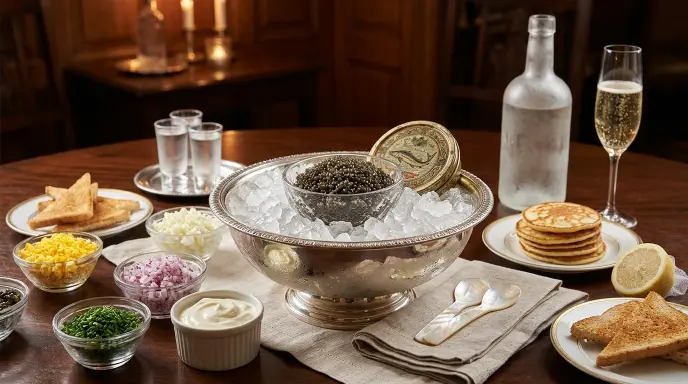
Professional chefs, seafood sellers, and restaurant menus use several terms when describing caviar. These expressions can help you understand what you’re ordering.
Here are 15 useful culinary terms:
- Sturgeon Caviar The traditional product made from sturgeon eggs.
- Beluga Caviar A well-known variety traditionally associated with the beluga sturgeon.
- Osetra Caviar A popular sturgeon caviar variety with a distinctive flavor.
- Sevruga Caviar A traditional variety produced from sevruga sturgeon.
- Pressed Caviar A product made by pressing roe, creating a concentrated texture.
- Malossol Caviar A term meaning lightly salted, commonly used for premium caviar.
- Fresh Caviar A description often used for fresh, carefully handled caviar.
- Salt-Cured Roe Fish eggs preserved through a controlled salting process.
- Caviar Pearls A descriptive term for the small, round eggs.
- Caviar Beads An informal expression describing the appearance of individual eggs.
- Fish Egg Delicacy A general culinary description emphasizing its special status.
- Gourmet Roe An expression used for high-quality prepared fish eggs.
- Sturgeon Eggs A straightforward description of the eggs used for traditional caviar.
- Cured Sturgeon Roe A precise description of salted sturgeon eggs.
- Caviar Garnish A culinary term describing how caviar is used to decorate or complement a dish.
These terms are especially useful when reading restaurant menus, seafood product descriptions, and gourmet recipes.
Different Types of Roe Used as Caviar Alternatives
Not every type of fish roe is traditional caviar. However, many varieties are enjoyed in similar ways and can provide different flavors, colors, and textures.
Here are 15 popular alternatives:
- Salmon Roe Features large orange eggs with a juicy texture and rich seafood flavor.
- Trout Roe Usually smaller than salmon roe, with a delicate taste and bright color.
- Lumpfish Roe A budget-friendly option commonly available in red and black varieties.
- Flying Fish Roe Better known as tobiko, it adds a crunchy texture to sushi.
- Capelin Roe Commonly sold as masago and used in Japanese dishes.
- Herring Roe Offers a mild seafood taste and is enjoyed in several cuisines.
- Cod Roe Used fresh, salted, or smoked in different traditional dishes.
- Paddlefish Roe A freshwater roe sometimes served as an alternative to sturgeon caviar.
- Whitefish Roe Comes from whitefish and is valued for its mild flavor.
- Bowfin Roe An American freshwater fish roe sometimes sold as a caviar alternative.
- Hackleback Roe Produced from shovelnose sturgeon and known for its small eggs.
- Siberian Sturgeon Roe A type of true caviar from Siberian sturgeon.
- Kaluga Roe A prized variety from the Kaluga sturgeon.
- Sterlet Roe A traditional sturgeon roe variety.
- Sea Trout Roe A flavorful alternative that can be served with seafood appetizers.
Each variety has its own taste and texture. Some have a delicate flavor, while others offer a stronger salty or ocean-like taste.
Japanese Names Related to Caviar
Japanese cuisine uses several types of fish roe, particularly in sushi, rice dishes, and seafood appetizers. These terms are useful alternatives when looking for caviar-related vocabulary.
Here are 15 Japanese roe names and related terms:
- Ikura Salmon roe with large, bright orange eggs.
- Tobiko Flying fish roe commonly used in sushi.
- Masago Capelin roe with small, crunchy eggs.
- Kazunoko Herring roe traditionally enjoyed during Japanese New Year celebrations.
- Tarako Salted cod roe, often served with rice or pasta.
- Mentaiko Seasoned pollock roe, often spicy.
- Sujiko Salmon roe that remains inside its membrane.
- Sujiko Roe A culinary description of intact salmon roe clusters.
- Shirako Fish milt, not fish eggs, but another traditional Japanese seafood delicacy.
- Kaviar A Japanese spelling of the borrowed word caviar.
- Gyokai no Tamago A descriptive Japanese expression referring to seafood or fish eggs.
- Sakana no Tamago A phrase meaning fish eggs.
- Uni Sea urchin gonads, often served like a luxury seafood delicacy, but not roe.
- Nishin no Ko A term associated with herring eggs.
- Gunkan Maki A sushi style commonly topped with fish roe.
These words are not all direct synonyms. Some refer to specific roe products, while others describe different seafood ingredients.
Elegant and Gourmet Expressions for Caviar
Caviar often appears in luxury dining, so restaurants and food writers sometimes use elegant expressions to describe it.
Here are 15 refined alternatives and descriptive phrases:
- Ocean Pearls A graceful expression inspired by the round appearance of caviar.
- Black Pearls A descriptive name often associated with dark caviar.
- Sea Pearls An elegant phrase for delicate seafood eggs.
- Gourmet Pearls A stylish expression for premium edible roe.
- Ocean Delicacy A broad phrase highlighting its luxury-food appeal.
- Royal Roe A refined expression for high-end fish eggs.
- Marine Treasure A creative description inspired by its premium reputation.
- Pearls of the Sea A poetic phrase used in food descriptions.
- Luxury Roe A simple way to describe premium fish eggs.
- Seafood Pearls A decorative expression for edible seafood eggs.
- Ocean Gems A creative phrase highlighting their appearance.
- Gourmet Fish Eggs A clear description for upscale seafood dishes.
- Sturgeon Pearls A descriptive phrase for traditional sturgeon caviar.
- Salted Ocean Pearls A creative expression emphasizing the curing process.
- Fine Seafood Delicacy A broad phrase suitable for gourmet food writing.
These expressions work well in creative descriptions, restaurant menus, and food-related writing. However, they should not replace the accurate product name on food labels.
Black Caviar and Red Caviar Alternatives

Caviar is often grouped by color. Black caviar is commonly associated with traditional sturgeon roe, while red caviar usually refers to salmon roe.
Here are 15 related names and descriptions:
- Black Roe A broad description for dark-colored fish eggs.
- Black Sturgeon Caviar Traditional caviar with a dark appearance.
- Golden Caviar A descriptive expression for golden-colored roe.
- Amber Roe A name inspired by the warm orange or golden shades of certain fish eggs.
- Red Roe A general name for reddish fish eggs.
- Salmon Caviar A common market name for salmon roe.
- Orange Roe A simple description of brightly colored fish eggs.
- Ruby Roe A creative name for deep red fish eggs.
- Golden Trout Roe A description for golden-orange trout eggs.
- Red Salmon Roe Salmon eggs with a rich red-orange appearance.
- Dark Caviar A broad descriptive term for darker varieties.
- Black Lumpfish Roe Small, dark eggs commonly used as an affordable alternative.
- Red Lumpfish Roe A colorful variety often used as a garnish.
- Orange Tobiko Flying fish roe in its familiar orange color.
- Golden Tobiko A golden-colored version of flying fish roe.
Color can help describe the appearance of a product, but it does not identify its fish species or quality.
Short and Simple Words for Caviar
Sometimes you need a short, easy-to-understand word rather than a long culinary description. These expressions are useful in casual conversation, recipes, and basic food writing.
Here are 15 simple terms:
- Roe The shortest and most useful general alternative.
- Eggs A simple everyday word.
- Fish Roe A clear and familiar expression.
- Fish Eggs Easy to understand and widely recognized.
- Spawn A biological term for eggs released by fish.
- Seafood Roe A broad food-related expression.
- Sturgeon Roe A specific description of traditional caviar.
- Salmon Eggs A simple alternative for salmon roe.
- Sea Eggs An informal descriptive expression.
- Salted Roe A short description of preserved fish eggs.
- Egg Pearls A creative phrase inspired by their shape.
- Marine Eggs A broad descriptive term.
- Roe Pearls A decorative way to describe individual eggs.
- Gourmet Roe A short expression for premium fish eggs.
- Cured Eggs A general description of preserved edible eggs.
For everyday use, roe is usually the most practical substitute. It is short, accurate, and easy to remember.
Creative and Descriptive Names Inspired by Caviar
If you’re writing a menu, creating a food brand, or looking for an interesting way to describe caviar, creative expressions can add personality.
Here are 15 original descriptive ideas:
- Ocean Jewels Inspired by the delicate appearance of fish eggs.
- Midnight Pearls A stylish phrase for dark-colored caviar.
- Sea Gems Short and memorable.
- Royal Ocean Pearls A luxurious-sounding description.
- Golden Sea Bubbles Inspired by the appearance of golden roe.
- Pearls of Flavor A creative food description.
- Ocean Treasures A name that suggests something special.
- Savory Pearls Highlights the salty, savory taste.
- Seafood Jewels A descriptive phrase for gourmet seafood.
- Midnight Roe A creative name for dark fish eggs.
- Ocean Gold A memorable phrase for premium seafood.
- Salty Pearls A playful description of cured roe.
- Marine Delights A broad expression for seafood specialties.
- Golden Ocean Gems Inspired by yellow and orange roe.
- Pearls of the Ocean A poetic description suitable for food writing.
These are creative descriptions rather than established culinary synonyms. Use them when you want an appealing expression, not when identifying a specific ingredient.
What Makes Caviar Different From Other Fish Roe?
Although people sometimes use the words caviar and roe interchangeably, they do not have exactly the same meaning.
Roe is the general term for eggs from fish and certain other marine animals. Salmon, trout, cod, and flying fish all produce roe that can be eaten in different forms.
Caviar, in its traditional and most precise culinary meaning, refers to salt-cured eggs from sturgeon. These eggs are carefully processed and graded according to factors such as size, texture, color, and quality.
Here is a simple comparison:
| Term | Meaning | Common Example |
|---|---|---|
| Caviar | Salt-cured sturgeon eggs | Beluga caviar |
| Roe | General term for fish eggs | Trout roe |
| Ikura | Salmon roe | Japanese sushi |
| Tobiko | Flying fish roe | Sushi topping |
| Masago | Capelin roe | Sushi garnish |
| Tarako | Salted cod roe | Japanese pasta |
| Mentaiko | Seasoned pollock roe | Spicy Japanese roe |
The main difference is the source of the eggs and how they are prepared.
For example, salmon roe can be called salmon caviar in some markets and restaurants. However, it is not traditional sturgeon caviar.
Understanding this distinction makes it easier to choose the correct word when shopping, cooking, or writing about seafood.
How Is Caviar Served and Used in Food?
Caviar is a versatile gourmet ingredient. Its salty flavor and delicate texture can complement many foods without requiring complicated preparation.
Here are 12 common ways to serve it:
- On Blinis Small pancakes provide a soft base for a spoonful of caviar.
- With Toast Points Lightly toasted bread adds a pleasant crunch.
- On Crackers Plain crackers allow the flavor of the roe to stand out.
- With Crème Fraîche Its creamy texture balances the salty taste.
- On Deviled Eggs A small topping adds an elegant touch.
- With Boiled Potatoes Mild potatoes pair well with flavorful roe.
- Over Scrambled Eggs A small serving can make breakfast feel special.
- With Smoked Salmon Both ingredients create a rich seafood combination.
- On Sushi Different types of roe add color and texture.
- With Fresh Oysters Caviar can complement the natural flavor of oysters.
- Over Pasta A little roe can provide a salty seafood finish.
- As a Garnish Chefs use small amounts to decorate appetizers and main courses.
Caviar is usually served chilled. It is also best added near the end of preparation so its delicate texture and flavor remain noticeable.
How to Choose the Right Word for Caviar
The best alternative depends on what you’re trying to describe. A seafood recipe may need a precise ingredient name, while a restaurant menu may benefit from a more elegant expression.
Consider these helpful points:
- For general writing: Use roe or fish roe when referring to edible fish eggs as a group.
- For traditional caviar: Use sturgeon roe or sturgeon caviar.
- For Japanese food: Use specific terms such as ikura, tobiko, masago, or mentaiko.
- For seafood recipes: Choose the exact fish species whenever possible.
- For gourmet menus: Descriptive phrases such as ocean pearls or gourmet roe can make the wording more appealing.
- For product descriptions: Clearly identify the species and preparation method.
- For casual conversation: Fish eggs is a simple expression most readers understand.
- For food shopping: Check the label to see whether the product comes from sturgeon or another fish.
Choosing the right expression helps avoid confusion. It also gives readers a better understanding of the food they’re eating.
FAQs:
What is another name for caviar?
The most common general alternative is roe or fish roe. These terms refer to edible fish eggs. However, traditional caviar specifically comes from sturgeon.
Is roe the same as caviar?
Not exactly. Roe is a general term for fish eggs, while traditional caviar refers to salted sturgeon eggs. Salmon roe, trout roe, and tobiko are examples of roe that are not traditional sturgeon caviar.
What is the fancy name for fish eggs?
Caviar is the best-known luxury term for certain prepared fish eggs. Other elegant expressions include ocean pearls, gourmet roe, and seafood pearls. These creative phrases are descriptions rather than official food names.
What is red caviar called?
Red caviar commonly refers to salmon roe. It has large, bright orange or reddish eggs and is popular in Russian cuisine and other seafood dishes.
What is black caviar called?
Black caviar generally refers to dark-colored sturgeon roe. It is traditionally produced from different sturgeon species, including beluga, osetra, and sevruga.
What is the Japanese word for caviar?
Japanese cuisine uses several specific names for fish roe. Ikura means salmon roe, tobiko means flying fish roe, and masago refers to capelin roe. These ingredients are popular in sushi and other Japanese dishes.
What is the cheapest alternative to traditional caviar?
Lumpfish roe and capelin roe are commonly available, more affordable alternatives. Salmon roe and trout roe are other options, depending on the market and product.
Can salmon roe be called caviar?
Yes, some sellers and restaurants use the expression salmon caviar. However, in the traditional culinary sense, salmon eggs are classified as roe rather than sturgeon caviar.
Conclusion
There are several ways to describe caviar, but roe and fish roe are the most useful general alternatives. Other terms, such as ikura, tobiko, masago, and salmon roe, identify specific varieties of fish eggs. The right expression depends on the food, recipe, or situation you’re discussing.
If you want to be precise, use the name of the fish and the preparation method. For creative food writing, descriptive phrases such as ocean pearls and gourmet roe can also work nicely.
Understanding these differences makes it easier to choose the right word and describe this popular seafood delicacy accurately.